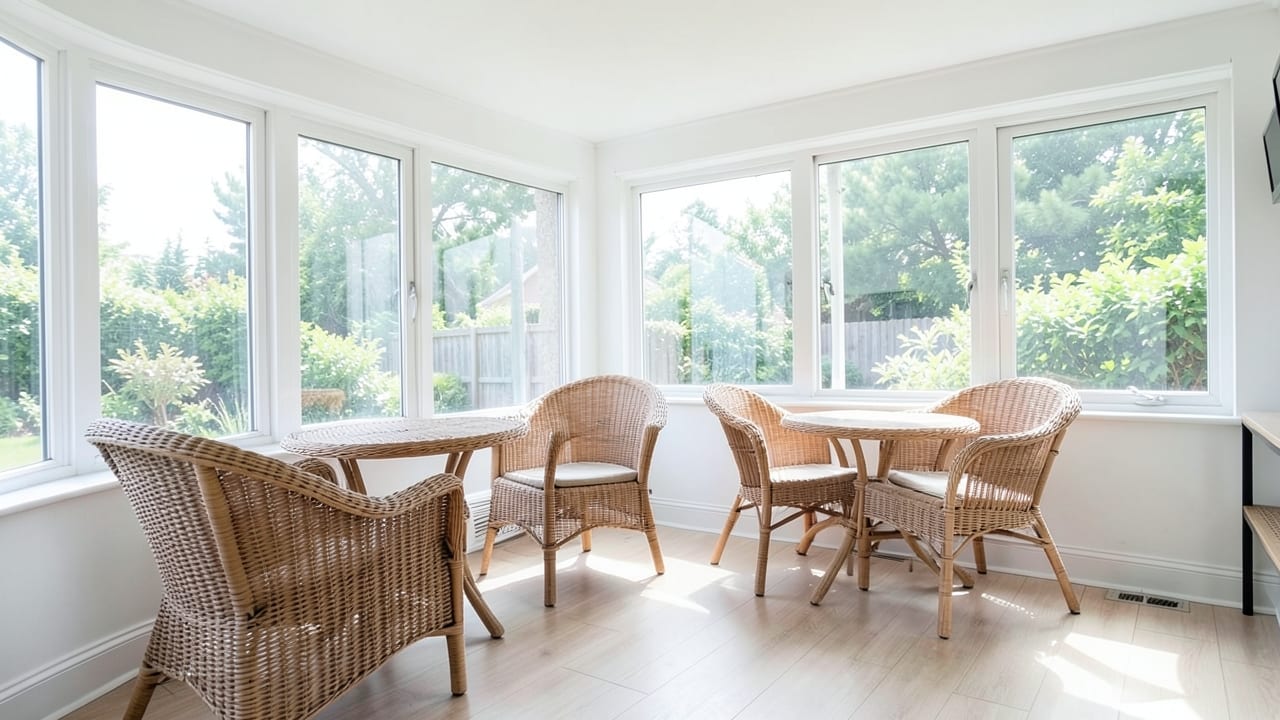
Sunroom Mold Remediation
Professional removal and treatment of mold in sunrooms to restore a safe, clean space.
Mold in North Redington Beach sunrooms often goes unnoticed until it spreads due to high humidity, poor ventilation, or leaks. Sunroom mold remediation focuses on safely removing contaminated materials, sealing the area to prevent spore spread, and addressing moisture sources to reduce regrowth.
Proper containment, HEPA filtration, and clearance testing are critical steps to ensure the space is restored to a safe condition.
We also handle Salt Air Mold Remediation and Storm Damage Mold Cleanup for North Redington Beach properties.
When sunroom mold needs professional remediation
Not all mold requires professional removal, but certain signs indicate it’s time to call a licensed contractor. Sunrooms, with their enclosed spaces and exposure to outdoor moisture, are particularly vulnerable.
Visible mold covering more than a small patch (typically over 25 square feet) is a clear indicator that professional help is needed, as Florida regulations require licensed remediation for larger infestations.
Recurring mold in the same spot after cleaning suggests an unresolved moisture issue, such as a leak, condensation, or poor airflow. Musty odors without visible mold often mean hidden growth behind walls, under flooring, or inside ductwork.
If you notice these signs, professional remediation is the safest and most effective approach.
Signs Professional Sunroom Mold Remediation Is Needed
- Mold covering more than 25 contiguous square feet (Florida’s threshold for professional work).
- Mold that keeps returning after cleaning, indicating an unresolved moisture source.
- Musty odors with no visible mold, suggesting hidden growth behind surfaces or in HVAC systems.
- Visible black mold (Stachybotrys), which requires specialized handling due to potential health risks.
What affects the cost and scope of sunroom mold removal
The cost of sunroom mold remediation in North Redington Beach varies based on the size of the affected area, the type of mold, and the materials involved. Surface-level mold on drywall or tile typically falls within a predictable range, but hidden growth or structural damage can increase costs.
Black mold (Stachybotrys) often requires additional containment and safety measures, which may push pricing higher.
Containment, HEPA filtration, and clearance testing are standard steps that influence the final cost. These measures ensure spores don’t spread during removal and confirm the job is complete. Skipping these steps can lead to incomplete remediation and higher long-term costs if mold returns.
Florida’s rules for sunroom mold work
Florida law separates mold assessment and remediation roles to prevent conflicts of interest. The same company cannot perform both services on the same property within 12 months.
This rule ensures unbiased evaluation and fair pricing. Always verify that the remediation team is licensed under Florida’s Department of Business and Professional Regulation (DBPR).
Post-remediation clearance testing is required to confirm spore levels are back to normal. This step is critical but often priced separately, so ask upfront whether it’s included. Independent testing by a third party is the only way to verify the work was effective.
Never pay in full before work starts, as this removes leverage if the job isn’t completed as promised. Always review a written scope of work before signing, and confirm that containment, HEPA filtration, and clearance testing are included in the quote.
How sunroom mold remediation works
Remediation begins with containment to prevent spores from spreading.
- 1Containment Setup
Plastic sheeting and negative-air machines seal the sunroom off from the rest of the home. This step ensures spores stirred up during removal stay inside the work area instead of drifting into unaffected spaces.
- 2Material Removal and Cleaning
Porous materials like drywall and insulation, which absorb mold, are cut out and bagged. Non-porous surfaces like framing and tile are scrubbed and treated to kill remaining spores.
- 3HEPA Filtration and Drying
HEPA air scrubbers run continuously to capture airborne spores, and surfaces are vacuumed with HEPA-filtered equipment. Industrial dehumidifiers and air movers dry framing and subfloors to prevent future growth.
- 4Clearance Testing
An independent lab tests air or surfaces after remediation to confirm spore levels are within normal ranges. This step is required by Florida law and ensures the space is safe before containment is removed.
Frequently asked questions
How do I know if my sunroom mold is black mold (Stachybotrys)?
Black mold often appears dark green or black and has a slimy texture. It typically grows in damp, poorly ventilated areas and may produce a strong musty odor. If you suspect black mold, professional testing is recommended to confirm the species and assess health risks.
Will my insurance cover sunroom mold remediation?
Insurance coverage depends on the cause of the mold. If the mold resulted from a covered event like a leak or storm damage, your policy may apply. Review your policy details or contact your insurer to confirm coverage before starting work.
How long does sunroom mold remediation take?
The timeline varies based on the size of the affected area and the extent of the mold. Small, contained jobs may take a day, while larger or hidden infestations can require several days. Containment, drying, and testing add time to the process.
Can I stay in my home during sunroom mold remediation?
Yes, but you may need to avoid the sunroom until containment is removed. The work area is sealed off, so spores shouldn’t spread to other parts of the home if containment is properly maintained. Follow the remediation team’s instructions for safety.
Where North Redington Beach sits, and what the Census lists nearby
North Redington Beach sits in Florida, and the closest places listed in the U.S. Census Gazetteer are Redington Beach (1 miles southeast), Redington Shores (1 miles northwest), Madeira Beach (2.6 miles southeast), Indian Shores (2.7 miles northwest).
Within 25 miles of North Redington Beach the same source lists 44 distinct incorporated places and census-designated places.
Those figures matter for sunroom mold remediation because they are straight-line distances between Census coordinate points: road mileage between North Redington Beach and Redington Beach runs longer than the 1 miles shown, which is why quotes for the same job differ between towns that look close together on a map.
Source: U.S. Census Bureau Gazetteer.
See Belleair Shore, FL for more, or find out about the full mold remediation lineup we run in North Redington Beach in detail for our complete lineup.
Ready to get started?
Talk to a local mold remediation pro in North Redington Beach — get a written quote.
Other Mold Remediation Services in North Redington Beach
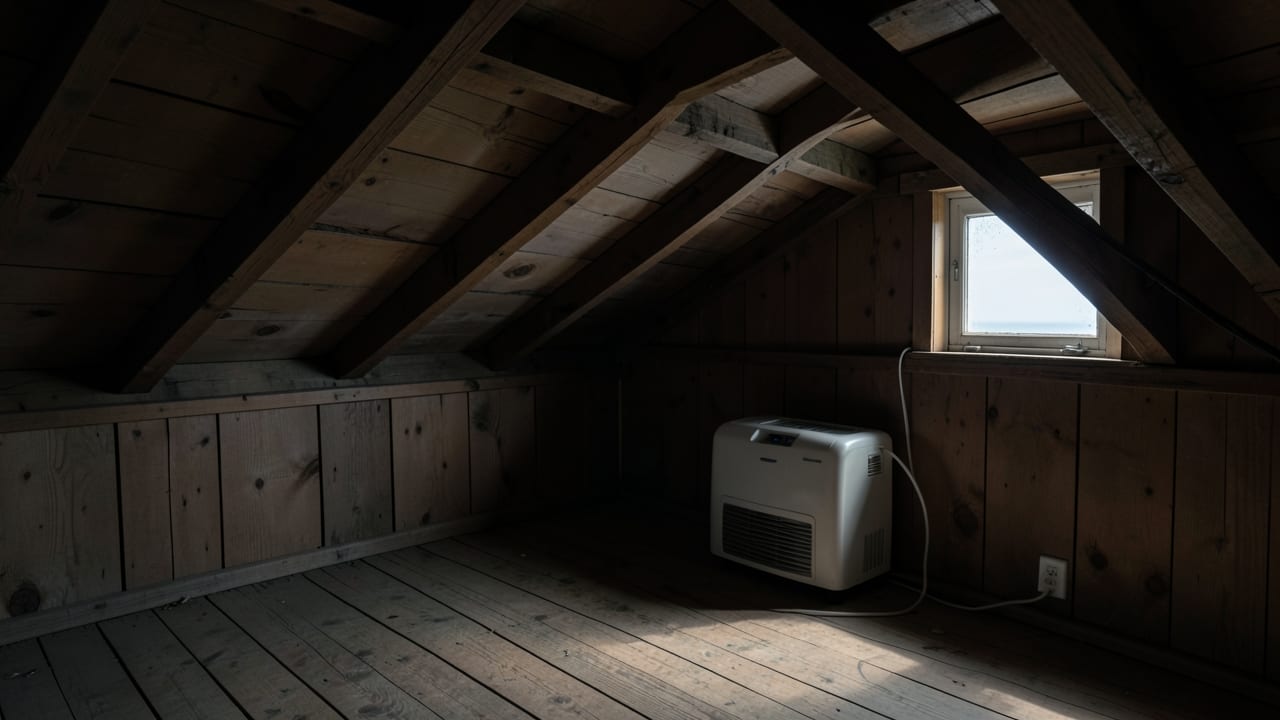
Salt Air Mold Remediation in North Redington Beach, FL
Professional mold assessment, containment, removal, and prevention in affected areas of the home.
Learn More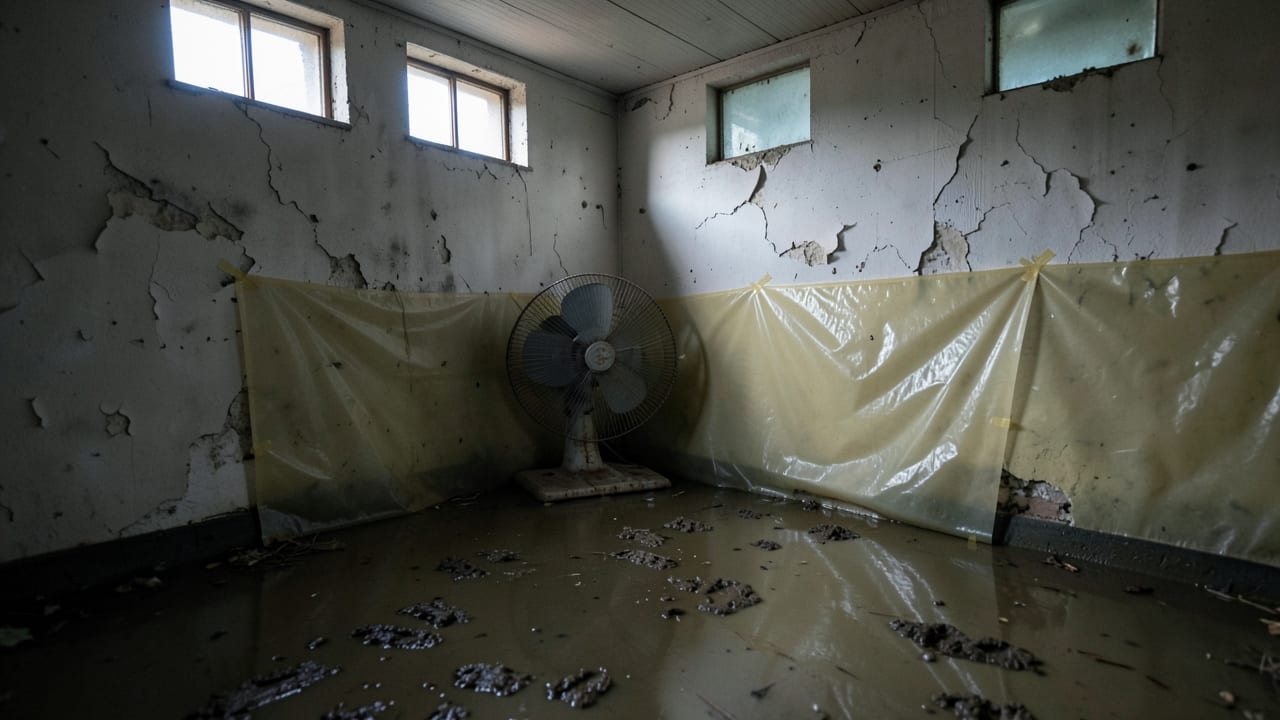
Storm Damage Mold Cleanup in North Redington Beach, FL
Professional cleanup and remediation of mold caused by storm-related water damage in homes.
Learn More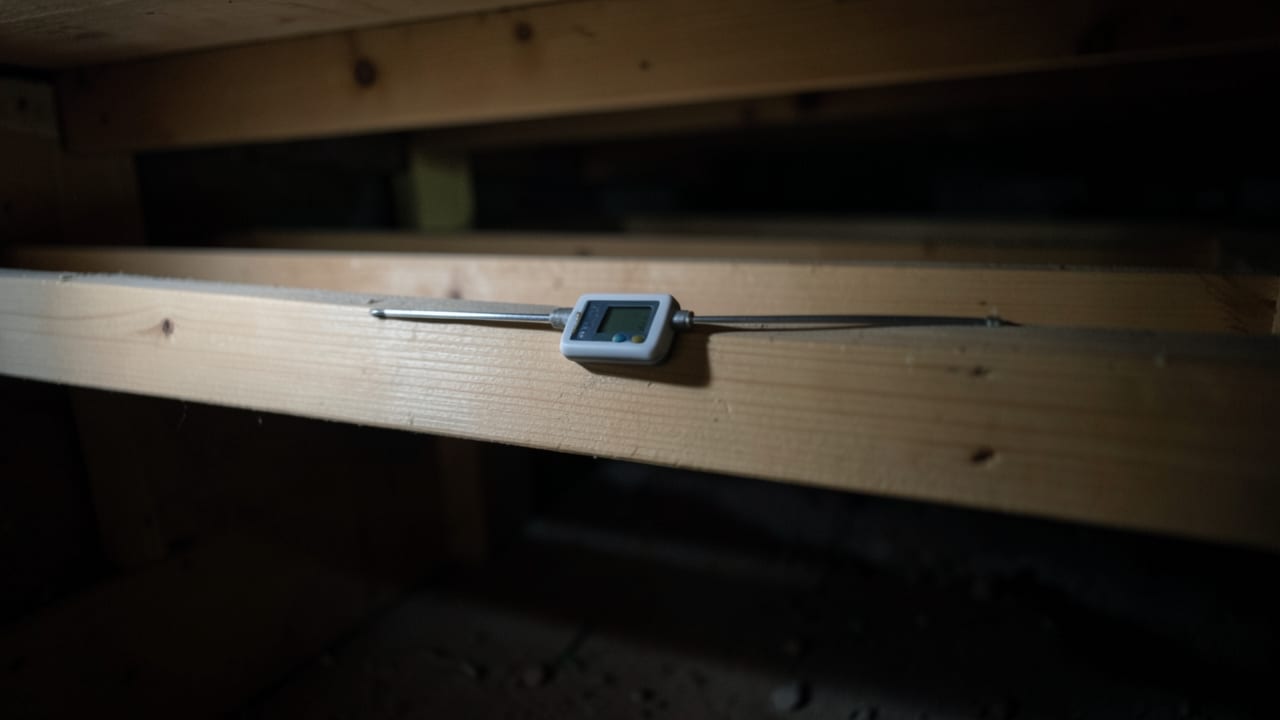
Spring Mold Inspection in North Redington Beach, FL
Professional assessment and identification of mold growth in homes.
Learn More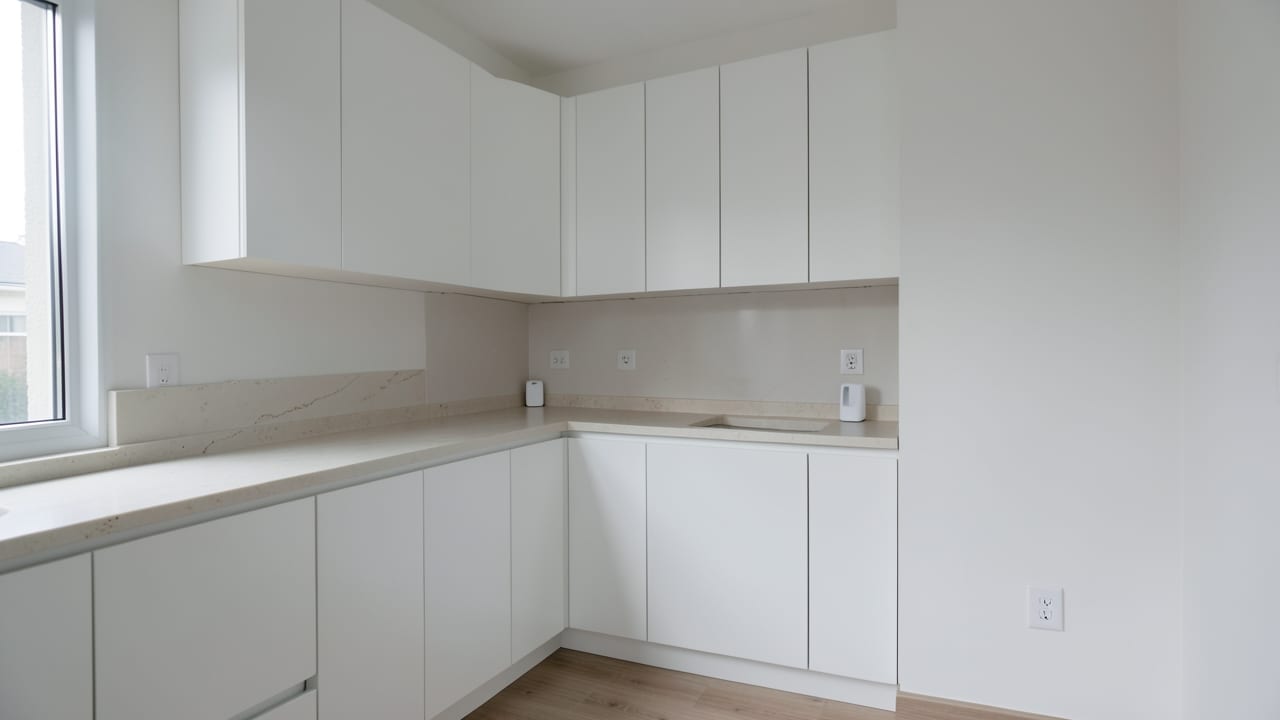
Move-In Mold Assessment in North Redington Beach, FL
Professional inspection and assessment of mold presence before moving into a property.
Learn More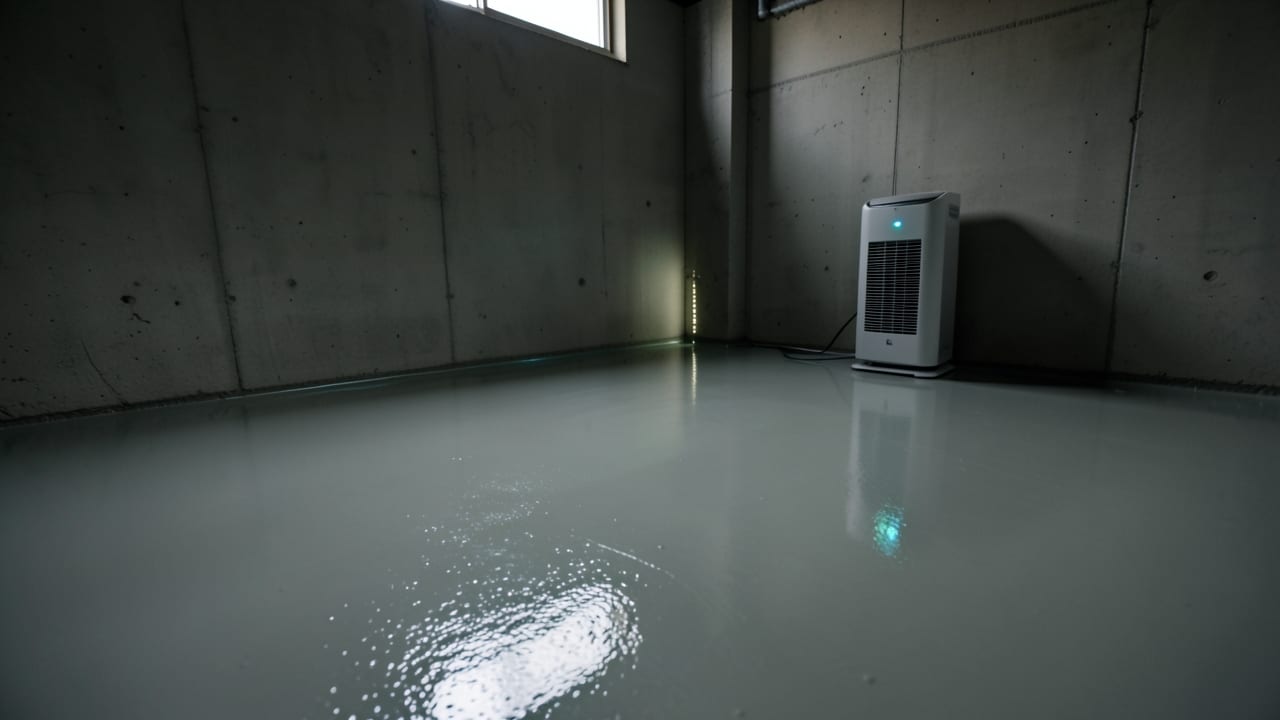
Post-Remediation Sealing in North Redington Beach, FL
Applying protective sealants to surfaces after mold remediation to prevent future growth.
Learn More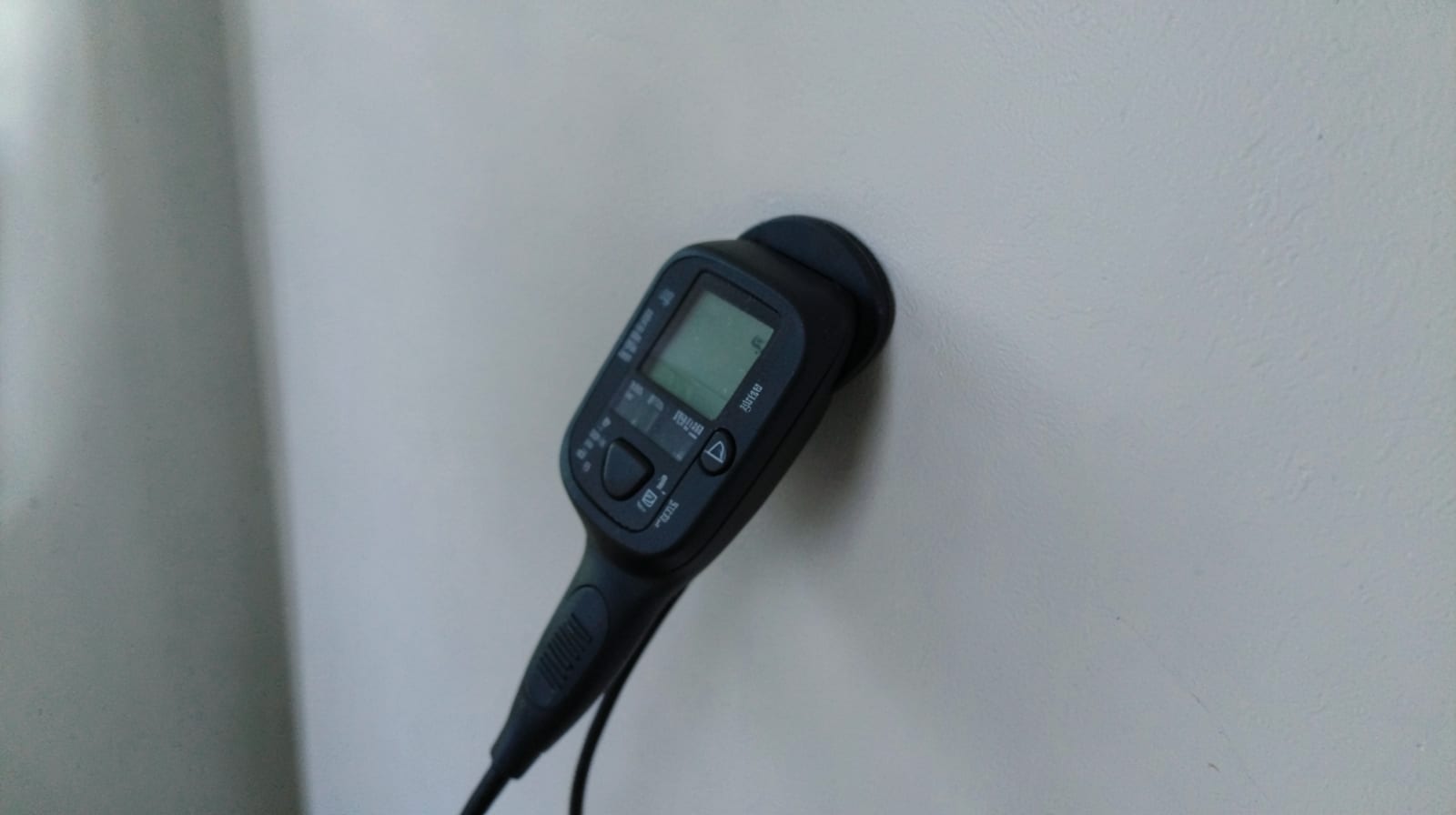
Mold Inspection in North Redington Beach, FL
Mold inspection in North Redington Beach, FL — a visual and moisture-meter assessment that finds the source of growth, not just the visible spot on the wall.
Learn MoreCommon Questions About Mold Remediation in North Redington Beach
Everything you need to know about mold remediation services in North Redington Beach
How much does Sunroom Mold Remediation typically cost in North Redington Beach, FL?
Why does North Redington Beach, FL's humidity make mold a bigger risk than in drier regions?
Can mold growing inside HVAC ductwork spread to the rest of a home?
Does mold mean the same thing as mildew?
Does homeowners insurance typically cover mold remediation?
Is black mold actually more dangerous than other mold types?
Need Mold Remediation in North Redington Beach?
Connect with local providers in North Redington Beach for a detailed quote.
⏰ We answer your call • Serving all of North Redington Beach and surrounding areas